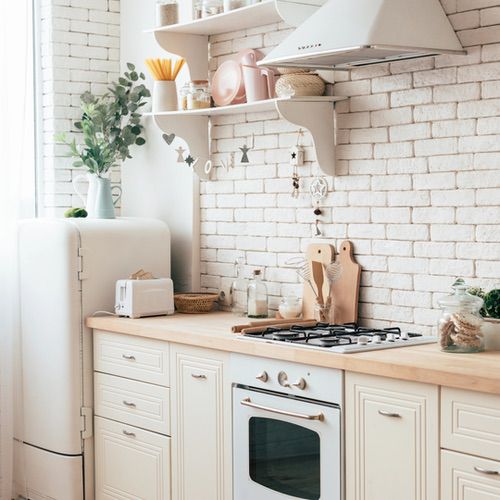
Most people think a cosy home comes from the right décor, the right furniture, or some elusive sense of style. In reality, one of the quickest ways to change how a room feels is to adjust how light behaves. Hygge lighting isn’t complicated or design‑led; it’s about atmosphere, pace, and creating a room that meets you where you are.
If your home ever feels a bit flat, too bright, or just not as calming as you’d like, this is for you. Hygge lighting works in almost any room, and you can feel the difference immediately without buying anything new or rearranging your whole space.
By the end, you’ll understand what makes hygge lighting so effective. Plus, you’ll have a few easy ways to use it in your own home today.
What Hygge Lighting Actually Means
Hygge lighting isn’t about dimming everything until your home looks like a moody café, nor is it about buying statement lamps or setting up a whole aesthetic. It’s simpler than that. Hygge lighting creates a feeling: a sense that the room is softening around you, that the pace is easing up, and that you can finally let your shoulders drop.
It’s the difference between a room that feels “on” and a room that feels lived in. Soft, layered, warm… but always practical, always real. When the lighting matches the moment you’re in, hygge starts to show up without much effort at all.
Why Overhead Lighting Works Against Hygge
Most of us default to the big light without thinking, and then wonder why a room suddenly feels sharp or a bit too alert. Overhead lighting tends to flatten everything (colours, shadows, and even your mood). It fills the whole room at once, which is great for finding missing keys but not so great for creating any sense of ease.
Hygge lighting works differently. It gives the room pockets of light rather than a single bright blast, letting your eyes rest and your mind settle. It’s a small shift, but you feel it immediately: the moment the big light goes off, the atmosphere changes.
The Power of Layered Light
One lamp on its own can make a difference, but hygge lighting really works when you layer it. Think of it as giving the room a few gentle focal points rather than a single dominant source. A lamp in the corner, a small light on a shelf, maybe a warm glow by the sofa. We’re not necessarily aiming for anything fancy, just different pockets of light doing different jobs.
Layering softens the room and adds depth without drawing attention to itself. It helps the space feel calmer and more inviting, a place your body recognises as somewhere to slow down. That’s the heart of hygge lighting: a room that eases into the evening with you.
Warm Light vs Bright Light (And Why It Matters)
You don’t need to know anything technical to feel the difference between warm and bright light. Warm light has a softer, calmer tone: the kind that makes a room feel comfortable without washing everything out. Bright, cooler light is useful during the day when you need focus, but it can feel harsh in the evening when your body is trying to slow down.
Hygge lighting leans warm because it creates an atmosphere that lets your eyes relax. A simple way to check: if the light feels kind to look at, you’re on the right track. If it makes the room feel like a waiting room, it’s probably too bright.
How to Use Hygge Lighting in Any Room
You don’t need a full redesign to make a room feel more hygge — just a bit of intention with where the light goes. Start by choosing one or two spots in each room that you naturally gravitate towards. That’s where softer lighting makes the biggest difference.
In the living room, a lamp near the sofa creates a natural anchor for the evening. In the bedroom, let the bedside light take over long before the overhead does. Kitchens and hallways respond well to small, low‑placed lights: anything that cuts through the usual brightness without turning the space gloomy.
Hygge lighting works in every room because it follows you, not an interior design magazine. It’s about shaping the atmosphere around the life you actually live.
Lighting as a Daily Habit
Hygge lighting isn’t something you switch on for special occasions. It works best when it becomes part of your everyday routine. Maybe it’s the lamp you turn on first thing in the morning instead of the overhead, or the moment you soften the lights after dinner because your body is already easing into the evening.
Small habits like this shape the feel of your home over time. They signal “we’re slowing down now” or “this is the calm part of the day,” without you having to do anything consciously. When lighting becomes a rhythm rather than a reaction, hygge starts to settle into the background of your home.
Small, Affordable Tweaks That Make a Big Difference
You don’t need a whole new lighting plan to make your home feel more hygge. A few small changes usually do the job. Swapping a cold bulb for a warm one instantly softens a room. Moving a lamp from a forgotten corner to somewhere you actually sit can shift the atmosphere more than buying anything new. Even a plug‑in dimmer can turn a too‑bright lamp into something far more relaxing.
These tiny adjustments are often the most effective because they meet your home exactly as it is. Hygge lighting isn’t about creating a perfect space. You’re simply making the space you already have feel better to live in.
A Quick Hygge Lighting Checklist
If you want a simple place to start, these small shifts work in almost any home:
- Switch off the overheads in the evening.
- Use two or three warm light sources instead of one bright one.
- Put light where you actually spend time, not just where it looks tidy.
- Let corners glow rather than the centre of the room.
- Choose bulbs that feel gentle on your eyes.
- Keep lighting low and layered as you wind down.
If a room feels calmer to look at, you’re already halfway to hygge.
Wrapping Up Hygge Lighting
Good lighting doesn’t shout for attention; it just changes the way you move through a room. When the brightness drops, when the edges soften, when the space feels like it’s meeting you at your pace, that’s hygge doing its quiet work.
If you try even one small change tonight (switching off the overheads, moving a lamp, or swapping a single bulb), you’ll feel how quickly the atmosphere shifts. Hygge lighting isn’t about creating a perfect home; it’s about shaping moments that feel calmer and easier to settle into.
If this has sparked something, the next step is simple: choose one room and see what happens when you change the light. It’s a tiny experiment with a surprisingly big effect.
Which room are you tempted to try first? Let me know in the comments.