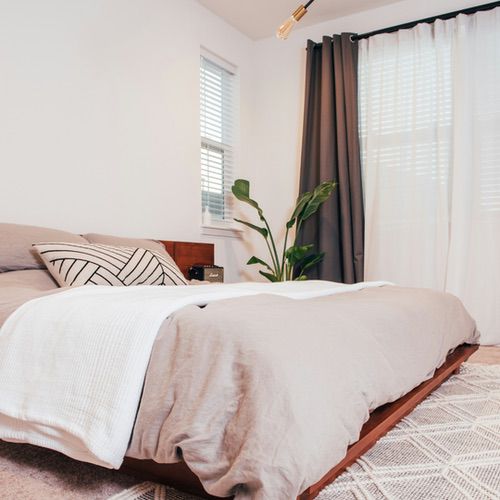
Your living room should be the easiest place to create hygge. It’s where you relax, where you gather with people you care about, where you spend your evenings unwinding. But if your living room feels more stressful than restful – or just sort of… bland – you’re not alone.
Disclosure: If you purchase anything from links in this post or any other, I may receive some kind of affiliate commission. However, I only ever mention products I love and would recommend whether I was being compensated or not. You can read my full disclaimer here.
The good news? You don’t need to redecorate or spend a fortune to bring hygge into your living room. A few small, practical changes make a real difference to how comfortable and inviting the space feels.
These aren’t about achieving a specific aesthetic. They’re about making your living room feel genuinely comfortable – the kind of space you actually want to spend time in.
Sort Your Lighting Out First
As with all areas of the house, this is the single most impactful change you can make.
Overhead lighting kills hygge instantly. That harsh, flat light from the ceiling makes everything feel stark and unwelcoming – like you’re in an office rather than a space designed for relaxing.
What to do instead:
Turn off the overhead light and use multiple smaller light sources at different heights. Floor lamps in corners, table lamps on side tables, maybe some warm-toned string lights if that suits your space.
Danes light candles at every meal and throughout the evening – not just for special occasions. Five or more candles is standard, not excessive. If you’re not comfortable with open flames (pets, kids, or you just forget to blow them out), battery-operated candles with a timer work perfectly well.
The key is warm, low lighting from multiple sources rather than one bright overhead fixture.
What actually helps:
A few things that make this easier: warm-toned bulbs (look for 2700K or lower) for any lamps you use, a set of pillar candles in varying heights, or if you prefer flameless options, these timer-controlled candles mean you don’t have to remember to turn them on and off.
If your living room feels cold or unwelcoming in the evenings, fixing the lighting will transform it more than anything else you do.
Create at Least One Properly Comfortable Spot
Most living rooms have seating that looks fine but isn’t actually that comfortable to spend hours in.
You need at least one spot – what Danes call a hyggekrog (cosy nook) – where you can genuinely relax. Somewhere you actively want to sit, not just somewhere that fills space.
What to do instead:
Identify which seat in your living room is actually the most comfortable. That’s your starting point.
Make it even better: add a soft throw within easy reach, make sure there’s good lighting nearby (a reading lamp, not overhead glare), and keep whatever you need close at hand – books, a place to set your tea, your knitting, whatever.
If all your seating is uncomfortable, that’s worth addressing. You don’t need expensive designer furniture, but you do need at least one chair or sofa spot where you can properly settle in for an evening.
A genuinely comfortable throw blanket (something soft you actually want to touch, not just something decorative) makes any seating more inviting. Same with cushions – one or two that provide actual comfort and support beat a dozen that just look nice.
Clear the Clutter (But Keep the Life)
This is a balance, and it’s easy to get wrong in either direction.
A cluttered living room disrupts calm. Too much visual noise makes it hard to relax. But a sterile, showroom-perfect living room isn’t hyggelig either – it feels like you can’t actually live there.
What to do instead:
Keep surfaces relatively clear. Not empty – just not covered in random stuff that has nowhere else to go.
But don’t remove signs of life. The book you’re currently reading on the coffee table, your favourite mug from this morning, the blanket draped over the sofa because you were using it – these make a space feel lived-in and comfortable.
The goal is “tidy enough to feel calm, lived-in enough to feel like home.”
A couple of storage baskets help enormously here – somewhere to quickly tuck away the things that tend to accumulate (remote controls, magazines, chargers) without having to find a proper home for everything.
Add Texture and Natural Materials Where You Can
Hygge living rooms tend to feel warm partly because of the materials used.
Natural textures – wood, wool, cotton, linen – create a different feeling than synthetic materials and hard surfaces. Warmer, more grounded, more comfortable.
What to do instead:
You probably already have some of this. A wooden coffee table, cotton cushion covers, a wool throw. You don’t need to replace everything – just notice where you can add a bit more texture and natural material.
Houseplants count here too. They bring life into the space and soften hard edges. You don’t need to become a plant person – even one or two easy plants (pothos, snake plants, anything nearly indestructible) make a difference.
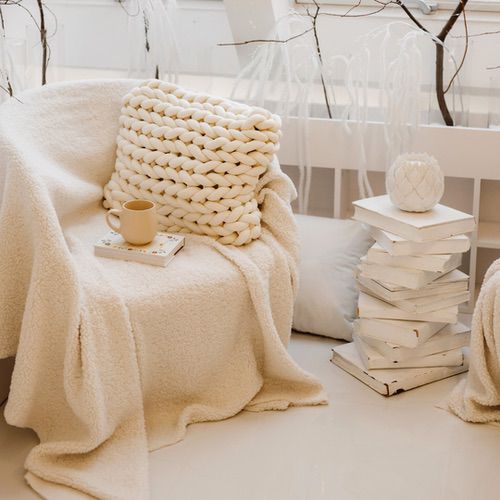
If your living room feels cold or hard, adding softer textures is usually the fix. A chunky knit throw, a textured cushion, a jute rug, a wooden tray – small additions that shift how the whole space feels.
Make It Easy to Properly Switch Off
Your living room should make it easy to actually relax, not just sit near a screen.
If the TV dominates the room and there’s nothing else set up to do, you’ll default to scrolling or watching even when that’s not really what you want.
What to do instead:
Make other activities as easy as screen time. Keep books visible and within reach. Have a basket of board games ready to pull out. Set up a small table or surface where you can do puzzles, crafts, or whatever you enjoy.
This isn’t about never watching TV – it’s about having equally easy options for the evenings when you want to properly unwind rather than just zone out.
Danes keep their phones put away during hygge time. Having a specific spot where phones go (a drawer, a basket, not just “somewhere on the sofa”) makes this much easier to actually do.
What This Actually Looks Like
You don’t need to tackle all five at once. Start with lighting – it makes the biggest immediate difference. Then pick whichever of the others feels most relevant to your space.
The goal is making your living room feel comfortable and inviting enough that you actually want to spend time there – not just pass through on your way to bed.
A living room that supports genuine relaxation rather than just looking nice. That’s what it means to bring hygge into your living room.
Want more room-specific ideas? Check out how to bring hygge into your bedroom or bring hygge into your kitchen.
How does your living room feel right now? Which of these would make the biggest difference for you? Let me know in the comments!
Disclosure: If you purchase anything from links in this post or any other, I may receive some kind of affiliate commission. However, I only ever mention products I love and would recommend whether I was being compensated or not. You can read my full disclaimer here.