Candles are probably the most recognisable hygge element, and for good reason — Danes burn more candle wax per capita than any other country. But there’s a difference between lighting a candle because you saw it in a lifestyle post and lighting candles for hygge the way Danes actually do: regularly, generously, and without making a big performance out of it.

Disclosure: If you purchase anything from links in this post or any other, I may receive some kind of affiliate commission. However, I only ever mention products I love and would recommend whether I was being compensated or not. You can read my full disclaimer here.
This isn’t about creating the perfect Instagram moment. It’s about using candlelight to make rooms feel warmer, softer, and more comfortable in a way that actually works in daily life. If you’ve been lighting one tea light occasionally and wondering why it doesn’t feel particularly hygge, this will help.
Why Candles Matter for Hygge (Beyond the Aesthetic)
Firelight does something electric light can’t replicate. It flickers, it casts soft shadows, it creates movement in a room without any noise or distraction. Your nervous system responds differently to candlelight than to overhead lighting. It’s a signal that the productive part of the day is done, and you can finally stop being switched on.
The warmth matters too, not just the light itself. A candle creates a tiny pocket of heat that you can feel if you’re sitting near it, and that physical warmth adds to the psychological sense of comfort. It’s subtle, but it makes a difference.
Danes light candles at every meal, even during the day when it’s dark outside. They’re not saving them for special occasions or waiting until everything looks perfect. Candles for hygge are part of the daily routine, as normal as switching on a lamp, except they create an entirely different atmosphere.
How Many Candles to Use (More Than You Think)
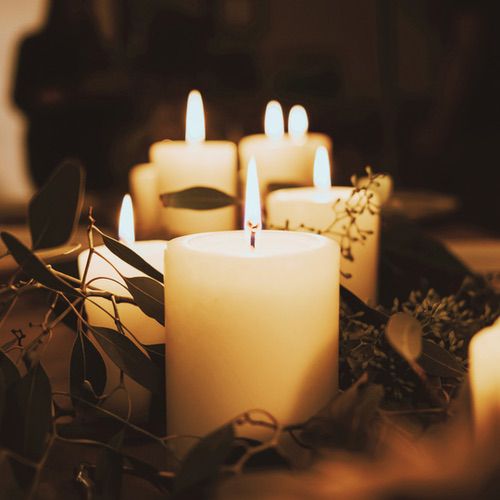
One candle sitting alone on a coffee table doesn’t do much. The hygge effect comes from lighting several candles at once, ideally five or more if you’ve got them. This creates enough light to actually shift the atmosphere of the room rather than just adding a decorative flicker in the corner.
Cluster them in one area rather than spreading them out. A group of candles on the dining table, several pillar candles on a sideboard, or a collection of votives on a windowsill all work better than single candles scattered around the room. The concentration of light creates more warmth and presence.
If five candles sounds excessive, remember that Danes do this routinely, not just for dinner parties. Start with three and see how it feels. You’ll probably find yourself reaching for more once you notice the difference.

Scented vs. Unscented (And Why Less Is Usually More)
Here’s the thing about scented candles: most of them smell like a gift shop, and that’s not what you’re going for. Hygge is about creating a comfortable atmosphere, not filling the room with synthetic vanilla that gives everyone a headache within twenty minutes.
Unscented candles are almost always the better choice. They give you the light and warmth without competing with the smell of dinner, your morning coffee, or the natural scent of your home. If you’re lighting candles regularly (which you should be), unscented means you’re not constantly inhaling fragrance.
That said, subtle scents can work if they’re genuinely subtle. Beeswax candles have a light honey smell that fades quickly (but they are more expensive). Soy candles with minimal fragrance — something like amber, vanilla, or sandalwood can add a background warmth without overwhelming the room. Avoid anything that announces itself the moment you walk in. If the scent is the first thing you notice, it’s too strong.
Types of Candles for Hygge
Pillar candles are the workhorses of hygge lighting. They burn slowly, they look intentional, and they create enough light to matter. Keep a few different sizes on hand — short, fat ones for tables, taller pillars for sideboards or mantels.
Votive candles work well when you want multiple candles grouped together without taking up too much space. They’re small enough to cluster but substantial enough to burn for a few hours. Use them in glass holders to protect surfaces and keep the flame steady.
Tea lights are fine for filling in gaps, but they don’t create much light on their own. Use them to supplement pillar candles or votives, not as the main event. They’re useful for tight spaces like bathroom windowsills or clustered in a lantern.
Taper candles look elegant in candlesticks, but they burn faster and drip more. They work better for deliberate dinner settings than for everyday use. If you use them, make sure the candlesticks are stable, and the candles fit properly.
Where to Put Candles For Hygge
Light candles where you’ll actually spend time, not just where they look nice from across the room. The dining table is obvious, but also consider:
- The coffee table if you sit on the sofa in the evenings
- The bathroom for a more relaxing bath or evening routine
- The kitchen table or counter, if that’s where you eat breakfast or have your morning coffee
- A windowsill in the room where you spend the most time
- Your bedside table for reading before bed (just blow it out before you sleep)
Don’t put candles where they’ll be ignored. A candle on a shelf you never look at doesn’t enhance the atmosphere. The point is to have candlelight near you, creating warmth and softness in the spaces you’re actually using.
Safety matters more than aesthetics. Keep candles away from curtains, papers, anything that could catch. Use stable holders that won’t tip. Never leave a room with candles burning, no matter how briefly you think you’ll be gone.
When to Light Candles For Hygge
The biggest mistake people make with candles for hygge is treating them as something special. They’re not. They’re a normal part of making your home feel comfortable, as routine as turning on a lamp.
Light candles at dinner, even if it’s just you eating leftovers on a Tuesday. Light them while you’re reading in the evening. Light them during a dark winter afternoon when the overhead lights feel too harsh. Light them when you’re having coffee with a friend, or when you’re sitting down to write in your journal.
The more regularly you use candles, the more naturally hygge becomes part of your day. It stops being a production and starts being something you do without thinking, which is exactly the point.
If you’re lighting candles while reading, here’s how to create a cosy reading nook that makes it even better
Making Candles Last
You don’t need to obsess over candle care, but a few basics help them burn cleanly and last longer:
- Trim the wick to about a quarter-inch before lighting. This prevents smoking and keeps the flame steady. You can use scissors or your fingers once the wax has cooled.
- Let the wax melt to the edges on the first burn. This prevents tunnelling and ensures the candle burns evenly throughout its life. It takes an hour or two, depending on the size, so light it when you’re settling in for the evening, not when you’ve only got fifteen minutes.
- Blow out the candles rather than snuffing them if you don’t have a proper snuffer. A quick, firm blow works fine. If the wick is smoking after you blow it out, dip it briefly into the melted wax with a skewer or matchstick, then straighten it again. This stops the smoke and primes the wick for next time.
- Keep candles out of drafts. A flickering flame looks atmospheric, but it also means the candle is burning unevenly and creating soot. If your candles are smoking or flickering constantly, move them away from windows or vents.
The Real Point of Candles for Hygge
Candles for hygge aren’t really about the candles themselves; they’re about what they signal. When you light candles, you’re marking a shift from the productive, switched-on part of the day to the part where you can finally relax. It’s a small ritual that tells your brain it’s safe to slow down now.
That’s why lighting candles regularly matters more than lighting them perfectly. You’re not creating a moment for other people to admire; you’re creating an atmosphere that helps you feel more comfortable in your own home.
If you’ve only been lighting candles occasionally, try making it a daily habit for a week. Light three or more at dinner, or when you sit down in the evening. Notice how the room feels different, how you feel different. The shift from ordinary to intentional is what hygge actually is.
For more ways to use lighting to create hygge, read the complete guide to hygge lighting here.
What room will you light candles in tonight?
Disclosure: If you purchase anything from links in this post or any other, I may receive some kind of affiliate commission. However, I only ever mention products I love and would recommend whether I was being compensated or not. You can read my full disclaimer here.