Hygge journaling isn’t about self-improvement or tracking productivity. It’s not morning pages or bullet journals or gratitude lists designed to make you a better person. It’s just writing things down with no agenda beyond the act of doing it.
Disclosure: If you purchase anything from links in this post or any other, I may receive some kind of affiliate commission. However, I only ever mention products I love and would recommend whether I was being compensated or not. You can read my full disclaimer here.
As a general rule, the Danes don’t have elaborate journaling practices. They just write when they feel like it: a few lines about the day, something they noticed, thoughts they wanted to capture. No rules, no format, no pressure to be consistent or insightful.
That’s what makes it hygge rather than just journaling.
What Makes Journaling Feel Hygge
Journaling is kinda my thing. In fact, I have an entire website dedicated to journaling. But hygge journaling is super basic and doesn’t need a website; it needs 5 minutes.
Hygge journaling is private. You’re not writing for an audience (even a future version of yourself). You’re not crafting perfect entries or trying to sound wise. You’re just putting words on paper because it feels good to do it.
It’s slow: there’s no timer, no word count target, no expectation that you’ll fill a certain number of pages. Sometimes you write half a page. Sometimes three sentences. Sometimes nothing for weeks, then several pages in one sitting.
And it’s separate from productivity. Unlike other cosy hygge activities that create something visible, journaling doesn’t have a deliverable. The point is the act itself – the quiet time spent with your thoughts and a pen.
The Simplest Format
The easiest way to start hygge journaling is to write three lines about your day. That’s it. Not paragraphs, not pages – just three observations or thoughts before bed.
What you noticed on your walk, something that made you laugh, a conversation that stuck with you, the weather, what you ate for dinner… Anything that felt real and present.
This format works because it’s not demanding. Three lines take two minutes. So, you can’t overthink it or get blocked by the blank page. You write, close the notebook, and that’s your practice for the day.
If you feel like writing more, you can. If you don’t, three lines are enough. The consistency comes from the smallness of the commitment, not from forcing yourself to show up with more than you have.

Simple Materials
Hygge journaling doesn’t require special supplies, but the materials do matter – not for how they look, but for how they feel to use.
A plain notebook works best. The Simply Genius A5 notebooks (sold in multipacks) are good for this – simple, lined pages, softcover so they open flat, nothing fancy. No decorative covers, no elaborate binding, just a straightforward notebook you can write in without feeling like you need to learn cursive.
Get a pen that writes smoothly without requiring pressure. Gel pens like the Pentel EnerGel or Sharpie S-gel pens glide across paper in a way that makes writing feel effortless. The physical sensation matters – if your hand has to work to make words appear, journaling becomes work instead of something that feels good.
Don’t buy an expensive leather-bound journal you’re afraid to mess up. Don’t use a fountain pen that requires special paper and careful handling. Hygge journaling uses ordinary supplies you can replace easily when they run out.
When and Where to Write
The best time for hygge journaling is whenever writing feels like a pause rather than another task.
Many people journal in the evening – after dinner, before bed, when the day’s demands are done. Pair it with making yourself a drink – tea, warm milk, whatever signals that you’ve shifted into your own time. Sit somewhere comfortable, write a few lines, and close the notebook.
Some people write in the morning with coffee, before the day starts pulling them in different directions. Others write in the afternoon when they need a break from work or screens.
What matters more than the time is that it’s not scheduled rigidly. Hygge journaling isn’t a habit you force yourself to maintain through discipline. It’s something you do when you actually want to do it, which means some days you skip it entirely.
What Not to Do
Hygge journaling goes wrong when it becomes performative or goal-oriented.
Don’t write entries designed to be read later with pride. Don’t try to sound wise or articulate. Don’t use journaling to fix yourself, track your progress, or become more productive/grateful/mindful.
Skip the Instagram-worthy journaling setups with perfect handwriting, washi tape, and colour-coded systems. That’s scrapbooking, not hygge journaling.
And don’t force consistency. Missing three weeks isn’t a problem. You pick up the notebook when you want to write, not because a tracking app tells you that you’ve broken your streak.
The moment journaling feels like an obligation or a performance, it stops being hygge.

Why Hygge Journaling Works
Writing by hand is inherently slow. Your thoughts have to move through your arm and hand at the pace of pen on paper, which means you can’t rush through them the way you do when typing.
This slowness is part of what makes hygge journaling grounding. You’re physically present with each word. There’s no autocorrect, no delete key, no way to multitask while you’re doing it.
It also creates a record you can return to when you want, but without the pressure of social media’s permanence or the performance anxiety of publishing. Your notebook is private. No one else needs to see it.
Keeping Hygge Journaling Simple
The best hygge journaling practice is the one you’ll actually do without forcing yourself. If three lines every few days is all you manage, that’s perfect. If you write pages some nights and skip entire months other times, that’s also fine. If your handwriting is messy and your entries are boring, you’re doing it exactly right.
Just like arranging some fresh branches, journaling is one of those small practices that doesn’t look impressive but changes how you feel when you do it consistently – or inconsistently, depending on your mood.
The key is to keep it free of expectations. Write when you want to. Skip it when you don’t. Don’t make it complicated.
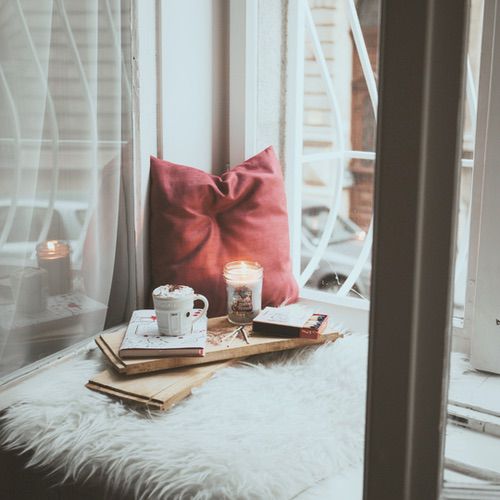
Looking for other simple ways to slow down at home? You could create a cosy reading nook for yourself and keep your journal there, too.
Disclosure: If you purchase anything from links in this post or any other, I may receive some kind of affiliate commission. However, I only ever mention products I love and would recommend whether I was being compensated or not. You can read my full disclaimer here.