Taking time to bring nature into your hygge home isn’t about creating a perfect indoor garden or buying expensive houseplants. It’s just lovely having something living and real in your space. Kinda like a reminder that the world outside exists even when you’re settled indoors.

Disclosure: If you purchase anything from links in this post or any other, I may receive some kind of affiliate commission. However, I only ever mention products I love and would recommend whether I was being compensated or not. You can read my full disclaimer here.
The Danes do this practically. Things like fresh branches in a simple vase, a bowl of stones collected from the beach, or a wooden cutting board that shows its grain and age. These aren’t decorative choices made for show; they’re just part of living in a space that feels connected to the natural world.
It’s one of the simplest cosy activities you can do – taking ten minutes to arrange something natural in your home. But it changes how a room feels.
Why Nature Matters for Hygge
Hygge is about feeling grounded and present. Nature in your hygge home does this without requiring much thought or effort on your part.
A vase of fresh greenery catches your eye differently than artificial plants or empty surfaces. It’s alive, which means it’s slightly different each time you look at it. These tiny changes keep you connected to something real.
Wood, stone, and other natural materials do something similar: they age visibly, they have texture, they feel substantial when you touch them. They’re the opposite of plastic and synthetic materials that stay perfectly uniform forever.
When you bring nature into your hygge home consistently, your space starts to feel more like a shelter and less like a display.
Fresh Branches and Greenery
Fresh greenery is the easiest way to bring nature into your hygge home, and it’s more forgiving than you’d think.
You don’t need fresh flowers every few days. Just branches will do the job (eucalyptus, olive, anything with interesting leaves). Plus, they can last for weeks and require minimal maintenance beyond occasional water changes. Pine branches work well in winter. Willow or birch branches in early spring.
A single stem in a simple ceramic vase is enough. The white ceramic vases sold in sets (like the TanQoVone ribbed vase set or similar minimalist options) work well because they are neutral so they don’t compete with what you put in them.
Put them somewhere you’ll see them regularly but not constantly. Maybe a side table, a shelf near a window, or the kitchen counter.
Change them when they start looking tired, not on a schedule. Sometimes that’s a week, sometimes it’ll be three.

Seasonal Nature Elements
Bringing nature into your hygge home works better when it shifts with the seasons.
In autumn, try a bowl of pine cones or acorns collected on a walk. In winter, try bare branches (they look striking in a tall vase and cost nothing). In spring, maybe try budding twigs before the leaves fully open. In summer, you might like wildflowers that would wilt outside but last surprisingly long indoors.
Basically, a wooden bowl with a handful of whatever’s currently growing outside is enough to make your space feel connected to what’s happening beyond your walls.
This is the opposite of buying the same artificial stems year-round and pretending seasons don’t exist. Hygge acknowledges that winter is dark and spring is bright: seasonal elements just make that rhythm visible indoors.
Houseplants (But Keep It Simple)
Houseplants can bring nature into your hygge home, but only if they’re the right kind.
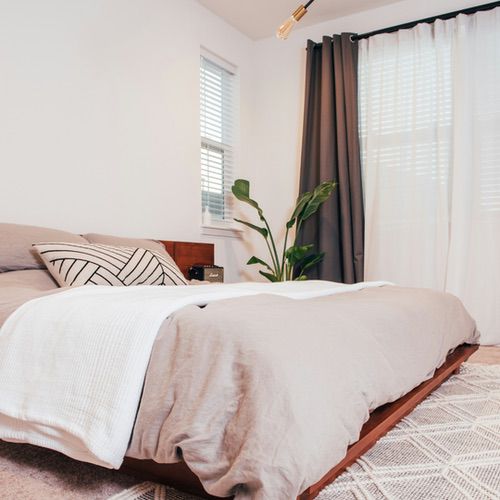
Skip anything high-maintenance or finicky. Hygge isn’t about creating work for yourself. A pothos or snake plant that survives neglect is more hygge than a fiddle leaf fig that demands perfect conditions.
The best houseplants for hygge are:
- Ones you can forget to water for a week without drama
- Ones that don’t need constant repositioning for light
- Ones that stay a manageable size
- Ones that don’t attract pests or drop leaves constantly
Put them in simple terracotta or ceramic pots, and leave them alone. If a plant dies, don’t necessarily replace it immediately. An empty pot is fine for a bit. Forcing plants into a space where they won’t thrive isn’t hygge – it’s just more stress.
Natural Materials in Everyday Objects
The easiest way to bring nature into your hygge home is through the things you use daily:
These are functional objects made from materials that feel good to touch and use.
When you’re replacing something worn out, choose the natural material version: a wooden spoon instead of plastic, a stone soap dish instead of metal, linen curtains instead of synthetic. You don’t have to do it all at once, just gradually as things need replacing.
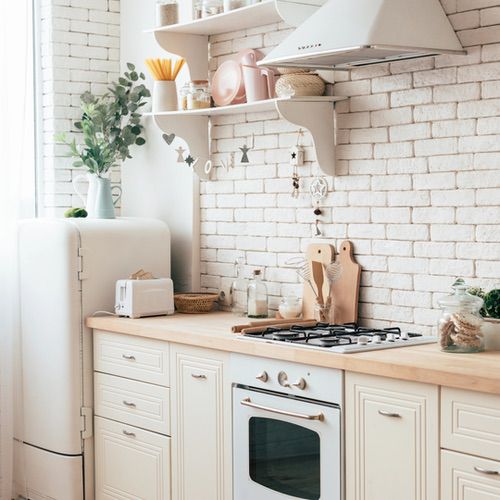
Natural materials age visibly, which is part of their appeal. A wooden cutting board develops knife marks and stains. A ceramic mug gets small chips. A linen throw fades slightly from sunlight. These things are just evidence that objects are being used and lived with, which is fundamentally hygge.

Light and Connection
Natural light is part of bringing nature into your hygge home, even though you can’t control it directly.
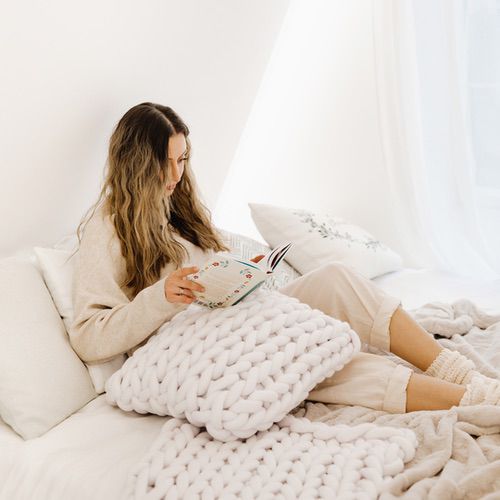
Keep window sills clear so light reaches further into rooms. Use sheer curtains or none at all during the day. Position comfortable seating near windows where you can read with natural light when it’s available.
This doesn’t mean bright, harsh light. North-facing windows and the soft light just after sunrise or before sunset are particularly hygge. But even on grey days, natural light changes throughout the day in a way artificial light doesn’t, which keeps you connected to the time and weather outside.
Keep Hygge Nature Simple
The key to bringing nature into your hygge home is keeping everything real and unpretentious.
One branch you picked up on a walk means more than ten expensive stems from a florist. A smooth stone that fits in your palm is more hygge than a decorative bowl of identical polished pebbles you bought online.
Want more ways to make your daily routine feel more intentional? These cosy hygge activities take less than 30 minutes and focus on simple, practical ways to create comfort at home.
Disclosure: If you purchase anything from links in this post or any other, I may receive some kind of affiliate commission. However, I only ever mention products I love and would recommend whether I was being compensated or not. You can read my full disclaimer here.