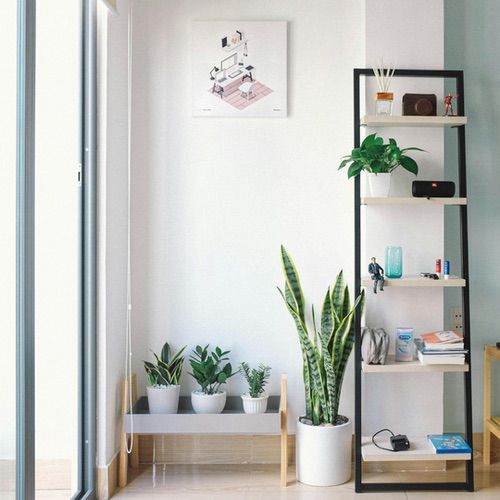
You can buy all the candles, arrange all the cushions, and perfect your lighting – but if you’re still rushing through life stressed and distracted, hygge won’t happen. If this feels like you, have you embraced the hygge mindset yet?

Disclosure: If you purchase anything from links in this post or any other, I may receive some kind of affiliate commission. However, I only ever mention products I love and would recommend whether I was being compensated or not. You can read my full disclaimer here.
Because hygge isn’t really about your home or what you own. It’s about how you approach life.
The hygge mindset is what makes the difference between a house full of cosy things that doesn’t actually feel comfortable, and a genuinely restful life that happens to include some nice candles.
This is the harder part of hygge – the part that lifestyle content usually skips over because it’s not as photogenic or easy to sell. But it’s also the part that actually matters.
If you’re wondering why hygge hasn’t “worked” despite following all the aesthetic advice, this is probably why.
What The Hygge Mindset Actually Means
The hygge mindset is fundamentally about choosing comfort and presence over achievement and performance – at least some of the time.
It’s about valuing time over productivity. Intimacy over networking. Simplicity over sophistication. Being present over being impressive.
This doesn’t mean abandoning ambition or opting out of real life. It means creating deliberate spaces – in your schedule, in your home, in your relationships – where those pressures take a backseat.
Where you’re not trying to achieve anything. Where you’re not performing for anyone. Where you can genuinely let your guard down and just be comfortable.
Danes build these spaces into their regular lives. They aim for two to three hyggelig moments per week as a baseline. Not as an occasional treat when everything else is sorted – as a priority that gets protected.
That’s the shift. Treating comfort and presence as things worth prioritising, not just things that happen if you have time left over after everything else.
The Core Mindset Shifts That Matter
Understanding the hygge mindset means recognising what needs to change in how you approach everyday life.
Valuing Time Over Things
Hygge asks you to treat time as more valuable than money or possessions.
This is countercultural. We’re trained to optimise time, to be productive, to multi-task, to fit more in. The idea of “wasting” time just being present with people feels almost irresponsible.
But Danes see it differently. The best way to show you care about someone is to spend unhurried time with them. Time where you’re not rushing to the next thing, checking your phone, or thinking about your to-do list.
A slow dinner that lasts for hours is more valuable than an efficient meal where everyone eats quickly and moves on. Cooking together is part of the experience, not just a means to an end.
This means saying no to some things so you have time for others. It means protecting your evenings occasionally rather than filling every gap in your calendar. It means choosing presence over productivity, at least sometimes.
In practice: Blocking out time for unhurried meals or gatherings, even when it feels “inefficient.” Letting conversations unfold naturally rather than rushing through them. Choosing to spend time with people rather than checking off tasks.

Choosing Intimacy Over Performance
The hygge mindset prioritises small groups of people you know deeply over large gatherings of acquaintances.
Three or four people who you’re genuinely comfortable with beats a party full of networking opportunities. Quality over quantity in relationships. Depth over breadth.
This also means dropping the performance aspect of socialising. No one’s trying to impress anyone. No bragging about achievements. No status competition. Everyone helps with cooking and cleanup – no one gets stuck doing all the work while others are entertained.
The goal is creating space where everyone feels safe enough to be themselves rather than their “best” selves.
This is harder than it sounds because we’re conditioned to perform socially. To be interesting, impressive, entertaining. The hygge mindset asks you to just… be comfortable instead.
In practice: Smaller, more intimate gatherings. Potluck dinners where everyone contributes. Long evenings with no agenda beyond being together. Conversations that meander rather than staying “interesting.”
Embracing Good Enough
Hygge requires accepting that not everything needs to be perfect or optimised.
The homemade cake that’s a bit lopsided is more hyggelig than a professionally decorated one. The simple pasta dinner you threw together is more hyggelig than an elaborate meal you stressed over.
Rustic and unpretentious beats polished and impressive. Every time.
This is particularly difficult if you have perfectionist tendencies or if you’ve internalised the idea that everything worth doing is worth doing well. The hygge mindset says: sometimes things are worth doing adequately so you can actually enjoy them.
A messy dinner with friends beats a catered event where you couldn’t relax. An imperfect home that feels comfortable beats a showroom-perfect space where you’re afraid to touch anything.
In practice: Letting go of the need to make everything special or impressive. Choosing simple over elaborate. Accepting that sometimes good enough really is good enough.
Creating Truces from Stress
The hygge mindset involves deliberately pausing stress, conflict, and heavy topics – not avoiding them forever, but setting them aside temporarily.
When you’re creating hygge, work stress gets left at the door. Political debates get paused. Criticism and negativity take a break.
This isn’t about pretending problems don’t exist. It’s about creating psychological shelter – spaces where you can properly recharge rather than staying in a constant state of stress and alertness.
You still deal with real life. You just also create regular moments where you don’t have to.
This is tricky because our culture valorises constant engagement and awareness. The idea of deliberately disconnecting – even briefly – can feel irresponsible or indulgent.
But you can’t function at full capacity all the time. The hygge mindset recognises that rest and recharge aren’t luxuries – they’re necessities.
In practice: Putting your phone away during meals and evenings. Avoiding heavy topics during relaxed gatherings. Creating clear boundaries between work time and personal time. Taking proper breaks rather than pushing through constantly.

Why This Feels Hard
The hygge mindset runs counter to most of what modern Western culture teaches us.
We’re trained to be productive, to optimise, to achieve, to network, to be “on” constantly. Rest and pleasure feel like rewards you earn after checking off enough tasks – not things worth prioritising for their own sake.
We’re also trained to perform socially. To be interesting, to share achievements, to curate an impressive life. The idea of gathering with no agenda beyond being comfortable together can feel pointless or boring.
And we’re conditioned to see perfection as the goal. Good enough feels like settling rather than choosing simplicity.
The hygge mindset asks you to challenge all of this:
- To value comfort over achievement.
- To prioritise presence over productivity.
- To choose intimacy over performance.
That’s genuinely difficult, especially at first. It feels like you’re doing something wrong or wasting time or not living up to your potential.
But here’s the thing: you can’t maintain constant achievement mode without burning out. You need spaces where you’re not trying to be impressive or productive – where you can just exist comfortably.
The hygge mindset creates those spaces.
What This Actually Looks Like in Practice
The hygge mindset doesn’t require a complete life overhaul. It requires creating small, regular spaces that operate by different rules.
It looks like:
- Blocking out Tuesday evenings for slow dinners with your partner, even when you have work you could be doing
- Saying no to networking events occasionally so you have time for small gatherings with close friends
- Letting your home be lived-in and comfortable rather than constantly Instagram-ready
- Making coffee slowly in the morning rather than gulping it while checking emails
- Putting your phone in a drawer during dinner rather than having it nearby “just in case”
- Choosing a simple homemade meal over an impressive but stressful recipe
- Accepting that your living room looks a bit messy because you actually live in it
Over time, you build a life that has regular spaces for genuine comfort and connection – not just achievements and obligations.
That’s the hygge mindset. Not a complete philosophy of life. Just a different approach to some moments that makes everything else more sustainable.
The Hygge Mindset: Starting Where You Are
You don’t need to adopt the entire hygge mindset overnight.
Pick one shift that feels most relevant to your life right now. Maybe it’s protecting time for slow meals. Maybe it’s dropping the performance aspect of socialising. Maybe it’s accepting good enough rather than pushing for perfect. Try it. See how it feels.
The hygge mindset isn’t about achieving some ideal state – it’s about creating regular moments where comfort and presence matter more than achievement and performance.
What mindset shift feels hardest for you? Let me know in the comments – I’d love to hear what you’re working on.
Disclosure: If you purchase anything from links in this post or any other, I may receive some kind of affiliate commission. However, I only ever mention products I love and would recommend whether I was being compensated or not. You can read my full disclaimer here.