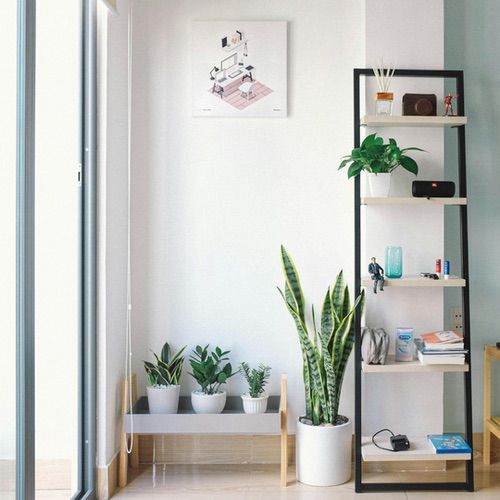
You’ve probably seen hygge all over Pinterest – perfectly styled living rooms with chunky knit blankets, artfully arranged candles, and that suspiciously perfect mug of cocoa. It looks lovely. But here’s the thing: that’s not really what hygge is.

Disclosure: If you purchase anything from links in this post or any other, I may receive some kind of affiliate commission. However, I only ever mention products I love and would recommend whether I was being compensated or not. You can read my full disclaimer here.
If you’re asking what is hygge – like really – and how to bring it into your life without buying a Pinterest-perfect aesthetic – you’re in the right place.
This guide will explain what hygge is, clear up the common misconceptions, and give you practical ways to make your everyday life more comfortable and intentional. Not in an aspirational, lifestyle-content way. In a way that actually works.
What you’ll learn:
- What hygge actually means (beyond the marketing fluff)
- The core principles that make something genuinely hygge
- Common myths that make hygge seem harder than it is
- Practical ways to bring hygge into different areas of your home and life
- What actually needs to change to live more hyggeligt
Let’s start with what this word actually means.
What Hygge Actually Means
Hygge (pronounced “hoo-gah”) is a Danish word that describes a feeling of comfort, safety, and contentment.
It’s not just about being physically cosy – it’s about creating moments and spaces where you can genuinely relax and let your guard down.
The word comes from Old Norse “hugr” meaning soul, mind, or consciousness. It entered Danish in the 18th century meaning “well-being.” That etymology matters because it shows hygge was never about buying the right candles or decorating perfectly.
It’s about your state of mind. How safe and comfortable you feel.
Meik Wiking, who runs Denmark’s Happiness Research Institute, puts it this way: hygge is “about an atmosphere and an experience, rather than about things. It is about being with the people we love. A feeling of home. A feeling that we are safe.”
In simpler terms: Hygge is that feeling when you’re completely comfortable – physically, mentally, and socially.
It’s why Denmark consistently ranks as one of the happiest countries despite having long, dark winters. Danes don’t just survive the cold and darkness – they’ve built an entire cultural approach around making life genuinely comfortable anyway.
Why Hygge Got So Misunderstood (And What to Ignore)
Here’s something most hygge content won’t tell you: the commercialised version was essentially invented in London, not Denmark.
In 2016, after a BBC article about hygge went viral, publishers commissioned over 20 books on the subject – many by authors who had difficulty finding Danes willing to write them. The mystique of hygge being “untranslatable” was largely marketing fiction.
The truth? Hygge just means cosy. But that wouldn’t sell subscription boxes.
What happened was hygge became an aesthetic instead of a feeling. It became about buying products instead of creating comfort with what you have. It shifted from social togetherness to solitary consumption – from everyday ordinariness into aspirational lifestyle content.
One Danish researcher said she never thought about hygge as a concept before 2016 – “it was just an ingrained part of how we were together.”
So let’s clear up what actually matters and what you can ignore:
- You don’t need to buy specific products: Danes would find HyggeBox subscription boxes and “hygge-scented candles” absurd. This isn’t about curating a specific aesthetic or owning the “right” things. If you’re trying to show off how well you hygge on Instagram, you’ve kinda already missed the point.
- Hygge isn’t only for winter: Summer hygge looks like picnics, backyard dinners, bonfires on the beach, and bike rides. It’s about comfort and togetherness, regardless of season.
- You don’t need a perfect Scandinavian home: Your home should feel like yours, not a showroom. Danish homes do tend toward clean, uncluttered spaces, but hygge is about feeling comfortable and safe – not achieving a particular look.
- It’s not a solo self-care practice: While you can experience hygge alone, it’s fundamentally social. Small, intimate groups of people you know well are ideal. It’s about letting your guard down with people you trust.
- It doesn’t mean avoiding all productivity: Hygge means creating deliberate spaces where you pause ambition and performance – not abandoning them completely. It’s about balance, not opting out of life.
The more you understand what hygge isn’t, the easier it becomes to focus on what actually creates that feeling of safety, comfort, and genuine contentment.
The Core Principles That Actually Matter
Forget the styled photos for a minute. Here’s what makes something genuinely hygge, according to how Danes actually live:
Equality and No Status Competition
In hygge moments, no one takes centre stage.
You don’t brag about achievements, discuss salaries, or try to one-up each other. Everyone shares the work – no single person gets stuck cooking or cleaning up alone.
This reflects a broader Danish value of not considering yourself superior to others. Status and ambition get left at the door.
A Truce from Conflict
Hygge requires putting aside debates, politics, and heavy topics.
It’s not that these conversations don’t matter – they’re just paused when you’re creating hygge. The goal is to create a psychological shelter from stress, not avoid important issues forever.
Presence Over Performance
Screens go away. Work stress gets set aside.
You’re fully present with whoever you’re with and whatever you’re doing. Hygge can’t happen when you’re distracted or performing for an audience.
Simplicity and Unpretentiousness
Homemade is more hyggelig than store-bought. Tea is more hyggelig than champagne. Board games beat video games.
The simpler and more rustic, the better. Forced or overly elaborate attempts at hygge are seen through immediately.
Time, Not Things
This is the most consistently overlooked aspect: hygge is fundamentally about time.
Danes value time more than money or prestige. The best way to show you care about someone is to spend unhurried time with them.
Danish dinners often last for hours. Cooking together is part of the experience, not just a means to an end. There’s no rush, no agenda, no networking.
These principles shape how you approach hygge in your own life – not just what you buy or how you decorate.
How to Start Bringing Hygge into Your Life
Now for the practical part. Here’s how to actually make your life more hygge without overthinking it or spending a fortune.
Create Comfortable Lighting
This is the easiest and most impactful starting point. Danes burn about 13 pounds of candle wax per capita annually – more than any other country. They light candles at every meal, even during the day in winter.
Overhead lighting is not hygge’s friend. Instead:
- Use multiple smaller light sources (floor lamps, table lamps, string lights)
- Choose warm-toned bulbs over cool white
- Light several candles rather than one (five or more is ideal for Danes)
- Place lighting in corners and at different heights
You don’t need expensive designer lamps. A few warm-bulb string lights and some basic candles will transform how a room feels.

Make Your Home Feel Like Yours
Hygge happens most often at home – 70% of Danes report experiencing the most hygge there. Your space needs to feel like a genuine sanctuary, not a staged display.
This means:
- Keeping surfaces relatively clear (clutter disrupts calm)
- Displaying things that actually matter to you, not just decorative items
- Using natural materials where possible (wood, wool, cotton, linen)
- Creating at least one dedicated cosy spot – what Danes call a hyggekrog
A hyggekrog is just a specific place designed for comfort: a reading nook, a favourite armchair with good lighting, a window seat with cushions. Somewhere you can genuinely relax.
Want room-specific guidance? Check out my 5 quick ways to bring hygge into your:
Prioritise Unhurried Time with People You Actually Like
Small gatherings of 3-4 people who know each other well are ideal for hygge. Not networking events, not obligatory social occasions – just relaxed time with people you genuinely enjoy.
Key elements:
- No specific agenda beyond being together
- Everyone helps with cooking and cleaning (no one gets stuck with all the work)
- Phones put away
- No time pressure – let the evening unfold naturally
- Keep conversation light and enjoyable (save heavy debates for another time)
The point is not to have a perfect dinner party. It’s to create space where everyone feels comfortable enough to truly relax.
Embrace Slow, Homemade Comfort
Hygge values the time and care you put into things over how polished they turn out. Baking something yourself is more hyggelig than buying it, even if the store-bought version looks better.
This applies to:
- Cooking meals from scratch when you have time
- Making coffee or tea with a bit of ritual rather than grabbing it on the go
- Taking the long route on a walk instead of rushing
- Reading physical books instead of scrolling
It’s not about being perfect or productive – it’s about enjoying the process and being present.
Choose Comfort Over Everything Else
Danes have a word – hyggebukser – for sweatpants you’d never wear in public but live in at home. That tells you everything you need to know about hygge’s relationship with comfort.
Life’s too short for uncomfortable clothes, scratchy fabrics, or shoes that hurt. At home especially, prioritise what feels genuinely comfortable over what looks impressive.
Get yourself:
- Actually comfortable loungewear (not just cute, actually soft and cosy)
- Warm socks that feel good (hyggesokker)
- Blankets you want to touch, not just look at
- Seating that supports you properly
Simple things that make being at home more physically comfortable create the foundation for hygge.
What Actually Needs to Change: The Hygge Mindset
Here’s the harder truth: you can’t just add hygge to an already overstuffed, rushed life. Something has to shift.
Hygge requires valuing different things than our culture typically rewards. It asks you to:
Prioritise time over productivity – At least sometimes, being present matters more than being productive. Slow meals with family count more than checking off tasks.
Value comfort over ambition – Not all the time, but in deliberate moments. You need spaces where you’re not trying to achieve, improve, or optimise anything.
Choose intimacy over networking – Small groups of people you know deeply over large gatherings of acquaintances. Quality over quantity in relationships.
Embrace simplicity over sophistication – Homemade, unpretentious, and genuine rather than polished, impressive, or Instagrammable.
Accept good enough – Not everything needs to be perfect. Sometimes a messy dinner with friends beats a catered event.
These shifts feel countercultural because they are. Modern Western culture pushes constant productivity, achievement, and visible success. Hygge pushes back against that – at least in carved-out moments.
The question is: can you give yourself permission to create spaces where those values take a backseat?
This mindset shift is probably the hardest part.
What Hygge Isn’t (And Why That Matters)
Before you go, let’s be clear about what hygge is not:
- Hygge is not about buying specific products. You don’t need Danish design furniture or expensive candles. Comfort with what you have matters more than acquiring the “right” things.
- Hygge is not performative. If you’re doing it for the photo or to show others how well you hygge, you’ve missed the point entirely.
- Hygge is not an excuse to avoid everything difficult. It’s about creating deliberate pauses from stress and conflict, not permanently checking out.
- Hygge is not a substitute for fixing actual problems. If your life feels overwhelming, hygge might provide temporary relief, but it won’t solve structural issues that need addressing.
- Hygge is not only for winter evenings. It’s a year-round approach to making life more comfortable and intentional.
Understanding what hygge isn’t helps you avoid the commercialised version and focus on what actually creates that feeling of safety, comfort, and genuine contentment.
Want more clarity on this? Try reading What Hygge Isn’t (And Why That Matters)
Moving Forward: Making Hygge Part of Your Life
Hygge isn’t something you achieve once and then maintain perfectly. It’s not a lifestyle brand or an aesthetic you perfect. It’s a feeling you create – in moments, in spaces, with people.
Start small:
- Light a few candles tonight instead of using overhead lights
- Put your phone away for an evening
- Cook something simple and unhurried
- Create one comfortable spot in your home that’s just for relaxing
- Invite someone over with no agenda beyond spending time together
You don’t need to transform your entire life overnight. Danes aim for two to three hyggelig moments per week as a baseline. That’s manageable.
The goal isn’t to live a perfect hygge life – it’s to create regular spaces where you feel genuinely comfortable, safe, and present. Where you can let your guard down and just be.
That’s what hygge actually is. Everything else is just details.
Ready to dive deeper? Start here: Hygge for Beginners: Where to Actually Start
What’s one small thing you could do today to make your space or your evening feel more comfortable? Try that. See how it feels. Build from there.