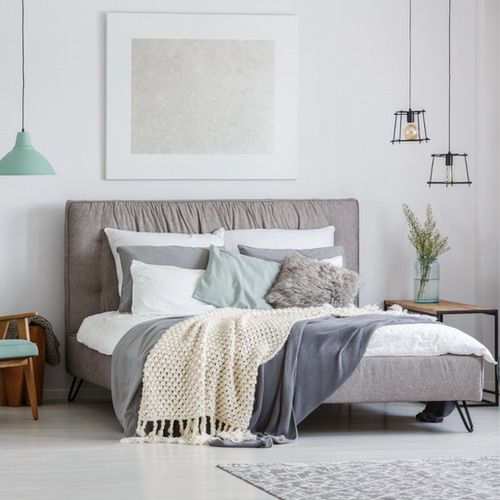
If you’ve spent any time looking into hygge, you’ve probably stumbled across a lot of… let’s call it creative interpretation. Pinterest boards full of perfectly styled homes. Expensive candles marketed as “hygge essentials.” Articles insisting you need specific products to do it “right.” All of these are hygge myths.
Disclosure: If you purchase anything from links in this post or any other, I may receive some kind of affiliate commission. However, I only ever mention products I love and would recommend whether I was being compensated or not. You can read my full disclaimer here.
Here’s the truth: most of what you’ve seen about hygge is wrong. Or at least, significantly off the mark.
The commercialised version that exploded around 2016 turned hygge into something Danes barely recognise – an aesthetic to buy rather than a feeling to create. And these hygge myths make it seem either impossibly expensive or ridiculously complicated.
Let’s clear up what’s actually true and what you can safely ignore.
What you’ll find in this post:
- Which hygge myths are making this harder than it needs to be
- What Danes actually do (versus what lifestyle blogs tell you)
- How to focus on what matters without the marketing fluff
Myth 1: You Need to Buy Specific Products to Create Hygge
This is the biggest hygge myth and the one that causes the most confusion.
Hygge is not a shopping list.
The commercialised version wants you to believe you need Danish design furniture, specific candle brands, chunky knit blankets in neutral tones, and a whole aesthetic package. But actual Danes would find “HyggeBox” subscription services and “hygge-scented candles” pretty absurd.
The reality: Hygge is about comfort and contentment with what you already have.
It’s about making your existing space feel more comfortable – not curating a specific look for Instagram. The jumper you’ve worn for years that’s now shapeless but impossibly soft? More hygge than a new £80 “hygge cardigan.”
The mismatched mugs that make you smile? More hygge than a matching set of Scandi ceramics.
This doesn’t mean you can never buy anything. Sometimes, a genuinely comfortable throw blanket or better lighting makes a real difference. But hygge happens regardless of your budget or whether you own the “right” things.
What to focus on instead: Creating comfort with what you have. A cleared surface, softer lighting, and time to actually relax matter more than any product.
If you’re working with a tight budget, hygge on a budget has practical ideas that cost nothing (or at least very little).
Myth 2: Hygge Is Only for Winter
This hygge myth probably exists because most of the content focuses on candles, blankets, and cosy indoor evenings.
Winter is peak hygge season in Denmark – there’s no denying that. But hygge continues year-round.
Summer hygge looks completely different:
- Picnics in parks
- Backyard dinners that stretch into evening
- Bonfires on the beach
- Bike rides with friends
- Eating outside under string lights
The “three Cs” of summer hygge are company, casualness, and closeness to nature.
It’s still about comfort, togetherness, and being present – just in lighter clothes and brighter settings. The feeling is the same even when the temperature isn’t.
What to focus on instead: Creating comfortable, present moments regardless of season. Hygge adapts to the weather, it doesn’t disappear when it’s warm.
Myth 3: Your Home Needs to Look a Certain Way
The Pinterest version of hygge has a very specific aesthetic: minimalist Scandinavian design, all-white walls, perfectly styled throws draped just so, plants in exactly the right spots.
It’s lovely to look at. It’s also not required.
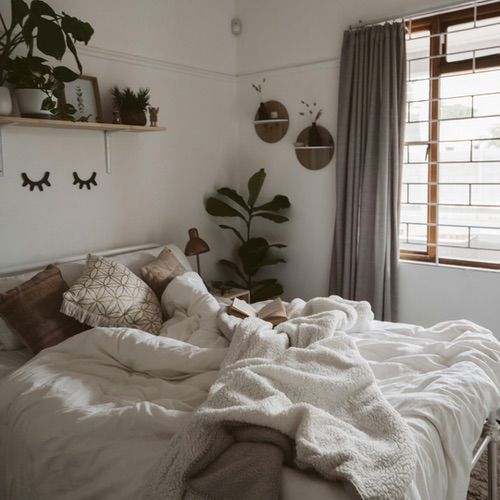
The reality: Danish homes do tend toward clean, uncluttered spaces with natural materials. But that’s a preference, not a rule. And critically – hygge is about how your home feels, not how it looks.
Your home needs to feel like yours. Safe, comfortable, lived-in. Not like a showroom.
A “perfectly hyggelig” home that stresses you out because you’re constantly maintaining an aesthetic is not actually hyggelig at all. That defeats the entire point.
What to focus on instead: Creating at least one genuinely comfortable spot – what Danes call a hyggekrog (cosy nook). A reading corner, a favourite armchair with good lighting, a window seat with cushions.
One space where you can properly relax matters more than styling your entire home to look like a Scandinavian design magazine.
For practical room-by-room ideas, check out:
Myth 4: Hygge Is a Solo Self-Care Practice
This hygge myth probably came from the wellness industry repackaging hygge as another form of me time.
While you can absolutely experience hygge alone (curled up with a book and tea is perfectly hyggelig), hygge is fundamentally social at its core.
The reality: Hygge is about togetherness.
Small intimate groups of people you know well – ideally 3-4 people – are considered ideal for hygge. Not networking events, not large parties, not obligatory social occasions. Just relaxed, unhurried time with people you genuinely enjoy and trust enough to let your guard down around.
The social element is why Danes value time so highly. Spending hours with people you care about, with no agenda beyond being together, is peak hygge.
What to focus on instead: Creating regular space for small, relaxed gatherings. Simple dinners where everyone helps cook, board game evenings, and long conversations with no time pressure.
Hygge for beginners has more on this if you’re not sure where to start.

Myth 5: Hygge Means Opting Out of Real Life
This is perhaps the most damaging hygge myth because it makes hygge seem either unrealistic or irresponsible.
The version where you light candles and pretend problems don’t exist. Where you avoid all difficult conversations and uncomfortable realities in favour of “staying cosy.”
The reality: Hygge creates deliberate pauses from stress and conflict – not permanent avoidance.
Yes, heavy debates and work stress get set aside during hygge moments. That’s intentional. The goal is to create a psychological shelter where you can properly recharge.
But hygge isn’t about checking out of life or avoiding the difficult things. It’s about balance. Creating spaces where you don’t have to be “on” all the time – where you can just be comfortable and present.
What to focus on instead: Building hygge moments into your week as recharge time, not as your entire approach to existence.
Danes aim for two to three hyggelig moments per week as a baseline. That’s manageable and sustainable – not a complete lifestyle overhaul.
Understanding the hygge mindset helps clarify what actually needs to shift versus what’s just marketing.
What Actually Matters
Strip away the hygge myths and here’s what you’re left with:
Hygge is about creating comfort, safety, and contentment in everyday moments. It’s about being present with people you care about. It’s about making your home feel like a genuine sanctuary rather than a showroom.
You don’t need to buy anything. You don’t need your home to look a certain way. You don’t need to transform your entire life.
You just need to create small, regular spaces where you feel genuinely comfortable – where you can let your guard down and properly relax.
That’s it. Everything else is just noise.
Which of these hygge myths had you confused? Or what question do you still have about hygge? Drop a comment below – I’d love to hear what’s on your mind.
Disclosure: If you purchase anything from links in this post or any other, I may receive some kind of affiliate commission. However, I only ever mention products I love and would recommend whether I was being compensated or not. You can read my full disclaimer here.